
Psychiatric & Outpatient Mental Health Services
Triumph’s Mental Health Services
Fax: 509-225-9215
We are welcoming clients 18 and older for outpatient mental health services in two locations. Our services are open to anyone; a substance use disorder is not required to schedule a mental health appointment.
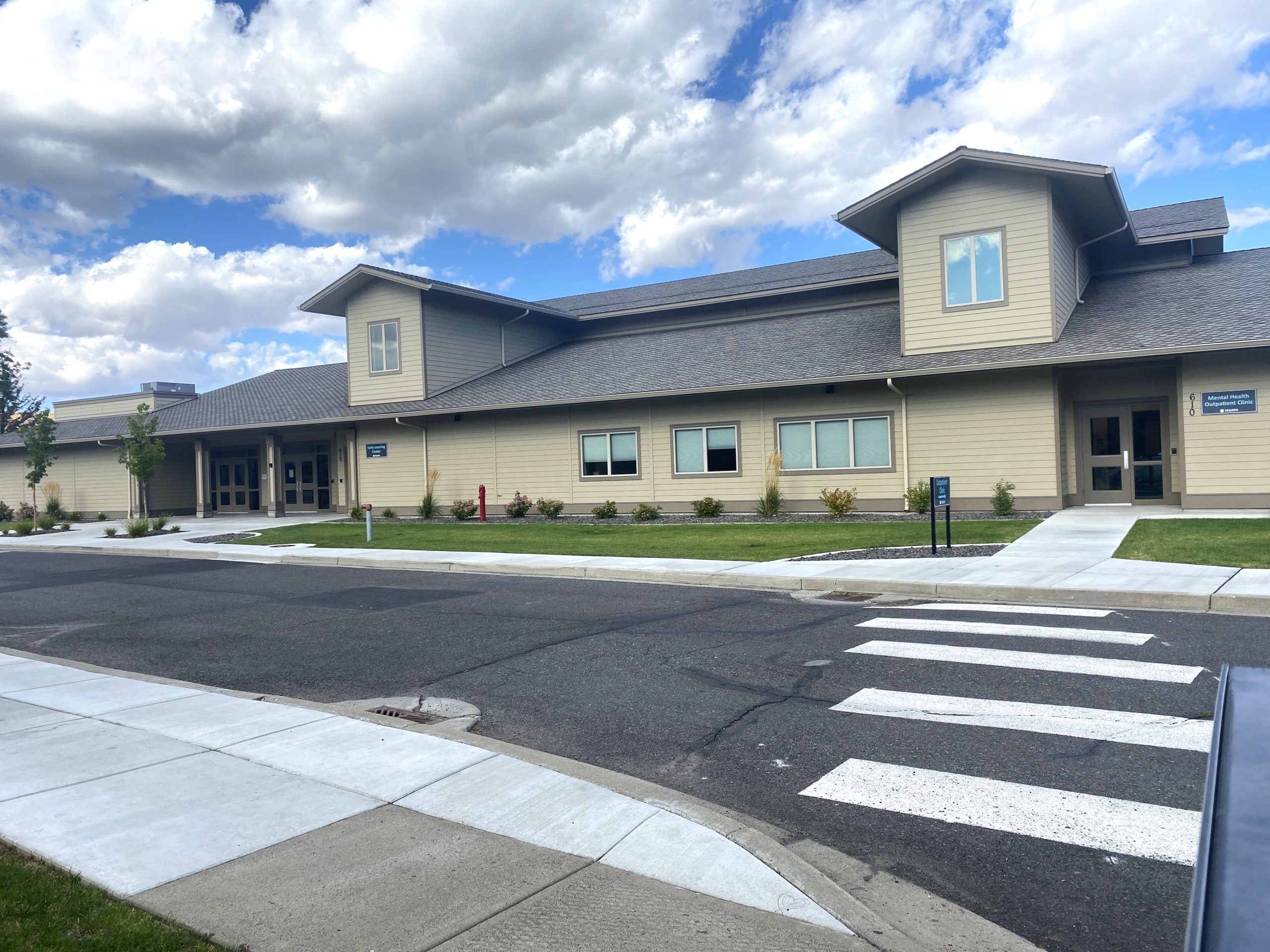
The Genesis Outpatient Mental Health Clinic
610 Superior Lane, Yakima WA 98902
Triumph’s CDAC location
120 S. 3rd street, Yakima WA 98901




Getting Started
Getting started is easy, just give us a call at (509)834-4300 and one of our Patient Services Coordinators will assist you. We have multiple payment options and are accepting new clients. Your care is our priority. For ADA accommodations please let us know at the time of scheduling.
We will no longer be accepting Premera as of November 9, 2026. We, unfortunately, do not accept Medicare.
We accept all Washington Apple Health (Medicaid) Plans with a restriction on United Healthcare:
- Apple Health (Medicaid)
- Community Health Plan of Washington
- Coordinated Care
- Molina Healthcare
- Wellpoint (Amerigroup)
- United Healthcare Community Plan is accepted for all services except for our PPW Program.
Exchange health care plans:
- Community Health Plan of Washington Cascade Select (CHPW/Cascade Select)
- Ambetter
- Molina Marketplace
Other plans:
- Kaiser Permanente of Washington
- First Choice Health Network
Our Services
We have developed our programs to ensure the highest level of success for all our clients. We offer:
-
- Individual one-on-one sessions with a mental health professional
- Medication Management
- Group Therapy
- Family Oriented Therapy
- Telehealth
- Provide referrals and medication management
Expanding Access, Reducing Stigma
Triumph has seen and heard the need in our community for mental health services. If you seek help at Triumph, you are taking care of your mental well-being and gaining skills to help decrease your symptoms and help you cope through challenging times – without the long waiting lists to see providers.
Outpatient Mental Health services at Triumph help individuals struggling with mental health symptoms. We help clients learn how to manage emtoions, form healthy relationships, and deal with stressful situations. These crucial skills serve clients for years to come, helping them to live purposeful lives and move forward with health and hope.
Program Description
Triumph’s mental health team treat an array of mental health disorders including: anxiety, depression, grief and loss, relationship issues, co-occurring issues related to substance use disorders, trauma, and other mental health disorders. We provide referrals and medication management appointments through a Psychiatric ARNP available onsite at the Genesis Building.